

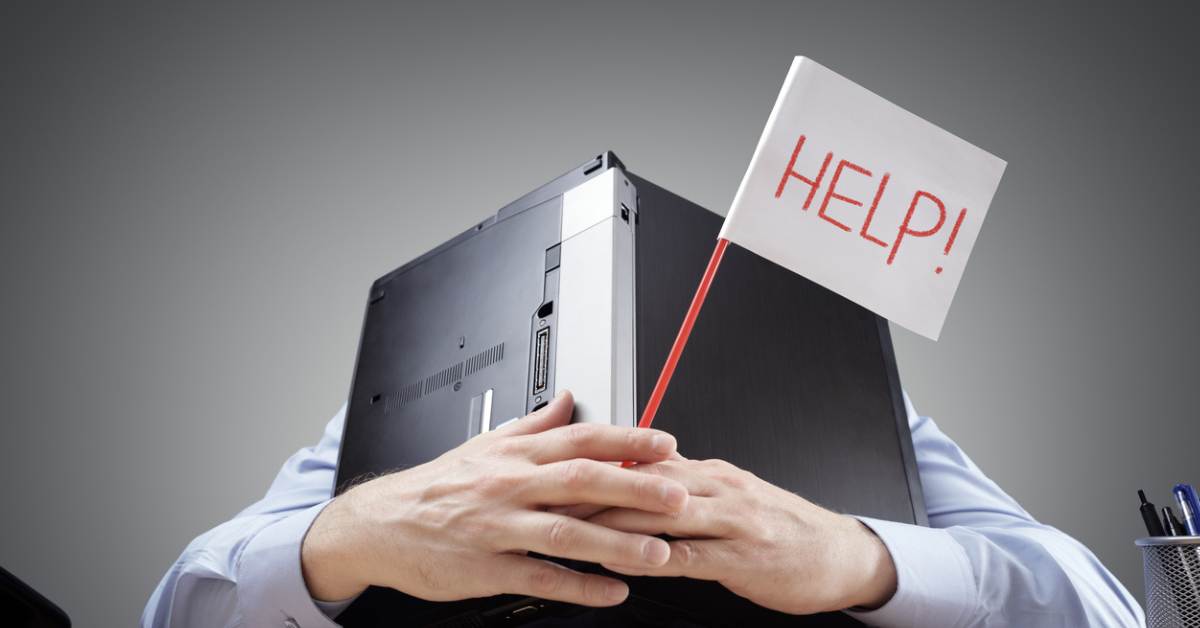
When you receive a foreclosure notice or learn your vehicle is scheduled for repossession, every moment counts. The fear of losing your home or car can feel overwhelming, especially when you're unsure where to turn for help. The good news is that bankruptcy law provides immediate protection that can stop these actions in their tracks, giving you time to find a solution that works for your situation.
If you're facing foreclosure or repossession in the next few days, don't wait. Call (865) 328-7993 or fill out our online contact form right now to discuss emergency bankruptcy options that can protect your property.
Understanding the Automatic Stay
When you file for bankruptcy, something powerful happens immediately: the automatic stay goes into effect. This is a legal protection that stops most creditors from continuing collection activities against you. Think of it as hitting the pause button on foreclosure sales, repossession efforts, wage garnishments, and harassing phone calls from debt collectors.
The automatic stay typically begins the moment your bankruptcy petition is filed with the court. This means that even if your home is scheduled for a foreclosure auction tomorrow, filing bankruptcy today can stop that sale from happening. For vehicle repossession, if the lender hasn't yet taken your car, the automatic stay prevents them from doing so once your case is filed.
It's important to understand that the automatic stay provides temporary relief while you work through the bankruptcy process. During this time, you'll have the opportunity to reorganize your finances and develop a plan to address your debts. The breathing room this protection offers can make all the difference when you're dealing with financial crisis.
Why Time Is Critical
Creditors don't always provide much warning before taking action. In Tennessee, mortgage lenders can move forward with foreclosure relatively quickly after you miss payments. Similarly, auto lenders can repossess your vehicle as soon as you default on your loan agreement, often without giving you advance notice.
The timing of your bankruptcy filing matters tremendously. If your home has already been sold at foreclosure auction, filing bankruptcy afterward won't undo that sale. The same applies to vehicle repossession—once your car is sold at auction, bankruptcy can't bring it back.
This is why taking action at the first sign of trouble is so important. Don't wait until you receive a final notice or until the day before a scheduled sale. The earlier you explore your options for emergency bankruptcy, the more options you'll likely have available.
Chapter 7 vs. Chapter 13: Which Offers More Protection?
Both Chapter 7 and Chapter 13 bankruptcy trigger the automatic stay, but they work differently and offer different levels of protection for secured debts like mortgages and car loans.
Chapter 7 Bankruptcy
Chapter 7, often called "liquidation bankruptcy," can eliminate many unsecured debts like credit cards and medical bills. This process usually takes three to four months to complete. While the automatic stay stops foreclosure temporarily, Chapter 7 doesn't provide a long-term solution for catching up on missed mortgage payments.
If you're current on your mortgage but struggling with other debts, Chapter 7 might help by eliminating those other obligations and freeing up money for your house payment. However, if you're already behind on your mortgage, Chapter 7 alone may only delay foreclosure rather than prevent it.
Chapter 13 Bankruptcy
Chapter 13, known as a "reorganization bankruptcy," offers more robust protection for homeowners and vehicle owners who are behind on payments. This type of bankruptcy allows you to create a repayment plan lasting three to five years, during which you can catch up on missed mortgage or car payments while keeping your property.
Under Chapter 13, you continue making your regular monthly mortgage payment going forward, plus an additional amount through your repayment plan to cover the arrears. As long as you stay current with your Chapter 13 plan payments, the lender cannot proceed with foreclosure. This makes Chapter 13 particularly valuable when you need time to catch up but have a steady income to support ongoing payments.
What Happens to Your Car or Home After Filing?
Many people worry that filing bankruptcy means they'll automatically lose their property. This isn't true. Bankruptcy is designed to help you keep essential assets while getting relief from overwhelming debt.
For your home, if you choose Chapter 13 and stick to your repayment plan, you can often keep your house by catching up on missed payments over time. The bankruptcy reorganizes your debts and gives you a structured path forward. For your vehicle, Chapter 13 also allows you to catch up on past-due car payments, and in some cases, you may be able to reduce the interest rate or even the principal balance owed on your car loan through a process called a "cramdown."
In Chapter 7, you can usually keep your home and car as long as you're current on payments or can quickly get current, and the equity in these assets is protected by available exemptions. Tennessee offers bankruptcy exemptions that protect a certain amount of equity in your home and vehicle from creditors.
Steps to Take When Facing Immediate Repossession or Foreclosure
If you're in crisis mode, here's what you should do right away:
- Contact a bankruptcy attorney immediately: Time is your most valuable resource right now. An experienced attorney can evaluate your situation and determine whether emergency bankruptcy filing is appropriate for your circumstances.
- Gather your financial documents: Collect recent pay stubs, tax returns, mortgage statements, car loan documents, and information about all your debts. Having these ready will speed up the filing process.
- Stop ignoring creditor communications: Open those letters and listen to those voicemails. You need to know exactly when foreclosure sales or repossession actions are scheduled.
- Don't make hasty financial decisions: Avoid withdrawing retirement funds, transferring property to family members, or making large payments to certain creditors right before filing. These actions can create complications in your bankruptcy case.
Taking these steps quickly can position you to file bankruptcy in time to stop repossession or foreclosure before it's too late.
How Emergency Bankruptcy Filing Works
In urgent situations, it's possible to file an emergency or "skeleton" bankruptcy petition. This streamlined filing includes only the most essential information needed to get your case into the court system and trigger the automatic stay. You'll typically have 14 days after this initial filing to submit the remaining required documents and schedules.
Emergency filing can be completed in as little as a few hours when necessary. However, this approach requires working with an attorney who is prepared to move quickly and who has the experience to ensure the filing is done correctly. Any errors in an emergency filing could result in your case being dismissed, which would lift the automatic stay and leave your property vulnerable again.
The process typically involves a quick consultation to assess your situation, immediate gathering of essential financial information, preparation of the initial petition, and electronic filing with the bankruptcy court. Once filed, you'll receive a case number, and the automatic stay takes effect, stopping foreclosure and repossession actions.
Life After Filing: What to Expect
Filing bankruptcy isn't the end of your financial journey—it's a new beginning. After you file, you'll need to attend a meeting of creditors (also called a 341 meeting) where you'll answer questions under oath about your finances and bankruptcy petition. This meeting is usually straightforward and not held in a courtroom.
If you file Chapter 13, you'll also need to attend a confirmation hearing where the judge approves your repayment plan. Once confirmed, you'll make monthly payments to a bankruptcy trustee who distributes funds to your creditors according to the plan.
Throughout your bankruptcy case, you'll need to stay current on ongoing payments for debts you want to keep, such as your mortgage and car loan. Missing these payments can jeopardize your bankruptcy protection. You'll also need to complete financial management courses as required by bankruptcy law.
Many people find that life after bankruptcy is more manageable than they expected. With a clear plan in place and protection from creditor harassment, you can focus on rebuilding your financial stability.
Get Emergency Bankruptcy Help in East Tennessee Now
When your home or vehicle is at risk, waiting isn't an option. The Law Offices Of Mayer & Newton understands the urgency of your situation and is ready to help you explore bankruptcy options that can protect what matters most. Our team has helped many East Tennessee families stop foreclosure and repossession through strategic bankruptcy filing.
Don't let fear or uncertainty cost you your home or car. Call (865) 328-7993 or complete our online contact form today to schedule a consultation and learn how emergency bankruptcy can give you the fresh start you need.